A broader way to understand sleep health
We recognize that sleep disorders rarely occur in isolation and are often shaped by a combination of medical, biological, cognitive, behavioural, psychological, social, occupational, environmental, and lifestyle factors.
At Integrative Sleep Care, we look beyond a single diagnosis to understand the broader contributors to sleep health and develop practical, personalized care strategies.
Our whole-person model combines an evidence-informed approach to sleep care with insights from multiple specialized areas of medicine, with the goal of supporting meaningful and sustainable improvements in sleep, health, resilience, performance, quality of life, and long-term well-being.
Whole-Person Factors We May Consider
Our care considers the full picture, with sleep health always at the centre.
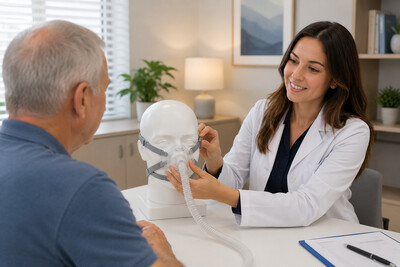
Medical and Sleep Factors
Snoring, suspected sleep apnea, insomnia, fatigue, pain, weight-related factors, cardiometabolic risk, medications, and other health concerns that may affect sleep.

Cognitive, Behavioural, and Psychological Factors
Stress, worry, hyperarousal, mood symptoms, trauma-related sleep disruption, sleep habits, and patterns that may perpetuate poor sleep.

Lifestyle, Work, and Environment
Shift work, safety-sensitive work, routines, physical activity, nutrition patterns, recovery practices, light exposure, bedroom environment, and long-term wellness goals.
What This Program Includes
Comprehensive Sleep Assessment
Review of sleep symptoms, goals, medical history, mental health context, medications, lifestyle, work patterns, fatigue, and possible sleep disorders such as sleep apnea or insomnia.
Personalized Care Planning
Recommendations may include home sleep testing, education, behavioural sleep strategies, treatment options, lifestyle considerations, and appropriate follow-up support.
Monitoring and Long-Term Support
Progress can be reviewed over time so the plan can be refined based on symptoms, adherence, energy, function, resilience, and quality of life.
